Showing posts with label Meet Native America. Show all posts

Friday, June 24, 2016

Summer Events

Planning your summer vacations,
 day trips, and activities? 
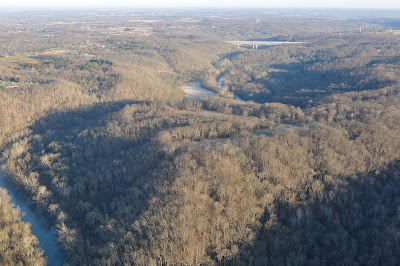
Fort Ancient Aerial View. Image Courtesy of Tim Black.
Fort Ancient Aerial View.
Image Courtesy of Tim Black.
Don't forget to check out Our 

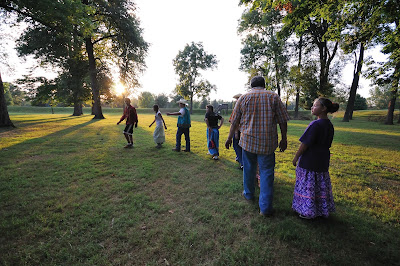
Eastern Shawnee Tribe of the Oklahoma members  at the Newark Earthworks Great Circle, 2012. Image Courtesy of Tim Black.
Eastern Shawnee Tribe of the Oklahoma members
at the Newark Earthworks Great Circle, 2012.
Image Courtesy of Tim Black.
Not only will it show Octagon Open Houses, but it also displays Ohio and Midwest heritage sites, museums, national and state parks' events, conferences, tours, lectures, summer camps, excursions, tour opportunities, field schools, traveling exhibits, 
and so much more!

Thursday, June 23, 2016

Meet Native America: Glenna J. Wallace, Chief of the Eastern Shawnee Tribe of Oklahoma

Meet Native American. The National Museum of the American Indian.

"In the interview series Meet Native America, the Smithsonian National Museum of the American Indian invites tribal leaders, cultural figures, and other interesting and accomplished Native individuals to introduce themselves and say a little about their lives and work. Together, their responses illustrate the diversity of the indigenous communities of the Western Hemisphere, as well as their shared concerns, and offer insights beyond what’s in the news to the ideas and experiences of Native peoples today." 
-Dennis Zotigh, NMAI 

Chief Glenna J. Wallace, Eastern Shawnee Tribe of Oklahoma. Image Courtesy of the National Museum of American Indian Blog.
Chief Glenna J. Wallace, Eastern Shawnee Tribe of Oklahoma.
Image Courtesy of the National Museum of American Indian Blog.
"Where is your tribe located?

The Eastern Shawnee Tribe is one of three federally recognized Shawnee tribes, all located in Oklahoma. We Eastern Shawnees are in the extreme northeast corner of Oklahoma, in an area where three neighboring states can be accessed within minutes—Kansas, Missouri, and Arkansas. The tribe borders Missouri, and we can be in Kansas or Arkansas in 30 minutes, max.

Where are the Eastern Shawnee originally from?

We were known to be a wandering, traveling tribe, living in close to thirty states until we settled in Ohio in the early 1700s. We eventually shared a small reservation there with the Seneca Cayuga Tribe. Together we were known as the Mixed Band.

After the passage of the 1830 Indian Removal Act, the Mixed Band was the first group to be forcibly removed to Indian Territory, a journey we made on foot with more than 15 percent not surviving the ordeal. That occurred in 1832, and we remained the Mixed Band until 1867, when we were separated into two distinct tribes, the Eastern Shawnee Tribe and the Seneca Cayuga Tribe. Both tribes remained in the northeast corner of Indian Territory, which became the state of Oklahoma in 1907."

Thursday, June 9, 2016

Meet Native America: Jim Taylor, ELNUELNU Abenaki Councilman and Elder

Meet Native American. The National Museum of the American Indian.
"In the interview series Meet Native America, the Smithsonian National Museum of the American Indian invites tribal leaders, cultural figures, and other interesting and accomplished Native individuals to introduce themselves and say a little about their lives and work. Together, their responses illustrate the diversity of the indigenous communities of the Western Hemisphere, as well as their shared concerns, and offer insights beyond what’s in the news to the ideas and experiences of Native peoples today." 
-Dennis Zotigh, NMAI 

ELNU Abenaki Councilman and Elder Jim Taylor. Image Courtesy of the National Museum of the American Indian Museum's Blog.
ELNU Abenaki Councilman and Elder Jim Taylor.
Image Courtesy of the National Museum of the American Indian Museum's Blog.
"Where is your tribe located?

Our Tribal Headquarters is in the small town of Jamaica, Vermont, in Windham County in the southwestern part of the state.

Where is your tribe originally from?

Our original territories were the southern portions of Vermont and included abutting areas of Massachusetts at one time. Our current home lies at the heart of our ancestral territory."

Friday, June 3, 2016

Summer Events...

Planning your summer vacations,
 day trips, and activities? 

The Newark Earthworks Reconstruction. Image Courtesy of The Ancient Ohio Trail.
The Newark Earthworks Reconstruction.
Image Courtesy of The Ancient Ohio Trail.
Don't forget to check out Our 


Newark Earthworks Walk 2012.
Image Courtesy of Tim Black.
Not only will it show Octagon Open Houses, but it also displays Ohio and Midwest heritage sites, museums, national and state parks' events, conferences, tours, lectures, summer camps, excursions, tour opportunities, field schools, traveling exhibits, 
and so much more!

Wednesday, April 6, 2016

Meet Native America: Kevin T. Hart, Manitoba Regional Chief for the Assembly of First Nations

Meet Native American. The National Museum of the American Indian.

"In the interview series Meet Native America, the Smithsonian National Museum of the American Indian invites tribal leaders, cultural figures, and other interesting and accomplished Native individuals to introduce themselves and say a little about their lives and work. Together, their responses illustrate the diversity of the indigenous communities of the Western Hemisphere, as well as their shared concerns, and offer insights beyond what’s in the news to the ideas and experiences of Native peoples today." 
-Dennis Zotigh, NMAI 

Manitoba Regional Chief Kevin T. Hart, Assembly of First Nations Canada.
Image Courtesy of the National Museum of the American Indian's Blog.
"How is your provincial government set up?
The provincial government is set up like the Iroquois Confederacy. All of the Canadian legislatures and the parliament are built upon the same government system.

How are ministers chosen?
Ministers are chosen by their leaders provincially and federally. "

To read the full interviewclick here.

Thursday, February 4, 2016

Meet Native America: Ken St. Marks, Chairman of the Chippewa Cree Tribe of the Rocky Boy's Indian Reservation

Meet Native American. The National Museum of the American Indian.

"In the interview series Meet Native America, the Smithsonian National Museum of the American Indian invites tribal leaders, cultural figures, and other interesting and accomplished Native individuals to introduce themselves and say a little about their lives and work. Together, their responses illustrate the diversity of the indigenous communities of the Western Hemisphere, as well as their shared concerns, and offer insights beyond what’s in the news to the ideas and experiences of Native peoples today." 
-Dennis Zotigh, NMAI 

Chairman Ken St. Marks, Chippewa Cree Tribe of the Rocky Boy's Indian Reservation.
January 2016. Image Courtesy of The National Museum of the American Indian.

"Where is your tribal community located? 

Rocky Boy’s Indian Reservation is in north central Montana. 

Where is your tribe originally from? 

Rocky Boy’s Band of Chippewa came from the Great Lakes area, and Little Bear’s Band of Cree came from the Canadian territories. "

Thursday, January 21, 2016

Meet Native America: Honorable Eric Robinson, Deputy Premier of Manitoba and Minister of Aboriginal and Northern Affairs

Meet Native American. The National Museum of the American Indian.

"In the interview series Meet Native America, the Smithsonian National Museum of the American Indian invites tribal leaders, cultural figures, and other interesting and accomplished Native individuals to introduce themselves and say a little about their lives and work. Together, their responses illustrate the diversity of the indigenous communities of the Western Hemisphere, as well as their shared concerns, and offer insights beyond what’s in the news to the ideas and experiences of Native peoples today." 
-Dennis Zotigh, NMAI 

Deputy Premier Robinson at the Aboriginal Peoples Choice Music Awards.  Manito Ahbee, Winnipeg, 2013. Image Courtesy of the National Museum of the American Indian's Blog.
Deputy Premier Robinson at the Aboriginal Peoples Choice Music Awards.
Manito Ahbee, Winnipeg, 2013.
Image Courtesy of the National Museum of the American Indian's Blog.
"How many bands are in Manitoba? Do you meet with the Native people of your province? 

There are 63 First Nations in the province:

Barren Lands First Nation, in Brochet, Manitoba
Berens River First Nation, Berens River 
Birdtail Sioux First Nation, Beulah 
Black River First Nation, O’hanley 
Bloodvein First Nation, Bloodvein 
Brokenhead Ojibway Nation, Scanterbury 
Buffalo Point First Nation, Buffalo Point 
Bunibonibee Cree Nation, Oxford House 
Canupawakpa Dakota First Nation, Pipestone 
Chemawawin Cree Nation, Easterville 
Cross Lake First Nation (Pimicikamak Cree Nation), Cross Lake 
Dakota Plains First Nation, Portage La Prairie 
Dakota Tipi First Nation, Dakota Tipi 
Dauphin River First Nation, Gypsumville 
Ebb and Flow First Nation, Ebb and Flow 
Fisher River Cree Nation, Koostatak 
Fort Alexander First Nation (Sagkeeng First Nation), Fort Alexander 
Fox Lake Cree Nation, Gillam 
Gamblers First Nation, Binscarth 
Garden Hill First Nation, Garden Hill 
God’s Lake First Nation, God’s Lake Narrows 
Hollow Water First Nation, Wanipigow 
Keeseekoowenin First Nation, Elphinstone 
Kinonjeoshtegon First Nation, Dallas 
Lake Manitoba First Nation, Lake Manitoba 
Lake St. Martin First Nation, Gypsumville 
Little Grand Rapids, Little Grand Rapids 
Little Saskatchewan First Nation, Gypsumville 
Long Plain First Nation, Portage la Prairie 
Manto Sipi Cree Nation, God’s River 
Marcel Colomb First Nation, Lynn Lake 
Mathias Colomb First Nation, Pukatawagan 
Misipawistik Cree Nation, Grand Rapids 
Mosakahiken Cree Nation, Moose Lake 
Nisichawayasihk Cree Nation, Nelson House 
Northlands First Nation, Lac Brochet 
Norway House Cree Nation, Norway House 
O-Chi-Chak-Ko-Sipi First Nation, Crane River 
Opaskwayak Cree Nation, Opaskwayak 
O-Pipon-Na-Piwin Cree Nation, South Indian Lake 
Pauingassi First Nation, Pauingassi 
Peguis First Nation, Peguis Reserve 
Pinaymootang First Nation, Fairford 
Pine Creek First Nation, Camperville 
Poplar River First Nation, Negginan 
Red Sucker Lake First Nation, Red Sucker Lake 
Rolling River First Nation, Erickson 
Roseau River Anishinabe First Nation, Ginew 
Sandy Bay First Nation, Marius 
Sapotaweyak Cree Nation, Pelican Rapids 
Sayisi Dene First Nation, Tadoule Lake 
Shamattawa First Nation, Shamattawa 
Sioux Valley Dakota, Griswold 
Skownan First Nation, Skownan 
St. Theresa Point First Nation, St. Theresa Point 
Swan Lake First Nation, Swan Lake 
Tataskweyak Cree Nation, Split Lake 
Tootinaowaziibeeng Treaty Reserve, Tootinaowaziibeeng 
War Lake First Nation, Ilford 
Wasagamack First Nation, Wasagamack 
Waywayseecappo First Nation Treaty Four, Waywayseecappo 
Wuskwi Sipihk First Nation, Birch River 
York Factory First Nation, York Landing 

Manitoba is also the home of an important Metis population. As minister and as member for Kewatinook, I meet with Indigenous people virtually every day. 

Do the Native people in Manitoba vote in provincial elections? 

Native people got the right to vote in 1960. "
To read the full interviewclick here.

Manitoba Aboriginal and Northern Affairs website.


Thursday, January 14, 2016

Meet Native America: Francis Gray, Chairman of the Piscataway Conoy Tribe

Meet Native American. The National Museum of the American Indian.

"In the interview series Meet Native America, the Smithsonian National Museum of the American Indian invites tribal leaders, cultural figures, and other interesting and accomplished Native individuals to introduce themselves and say a little about their lives and work. Together, their responses illustrate the diversity of the indigenous communities of the Western Hemisphere, as well as their shared concerns, and offer insights beyond what’s in the news to the ideas and experiences of Native peoples today." 
-Dennis Zotigh, NMAI 

  Senator Ben Nighthorse Campbell (Northern Cheyenne) and Piscataway Conoy Tribal Chairman Francis Gray  at the Tribal Leader Reception during the White House Tribal Nations Conference.  Image Courtesy of National Museum of the American Indian's Blog.
Senator Ben Nighthorse Campbell (Northern Cheyenne) and Piscataway Conoy Tribal Chairman Francis Gray
at the Tribal Leader Reception during the White House Tribal Nations Conference.
Image Courtesy of National Museum of the American Indian's Blog.
"Where is your tribal community located?

Currently our main core is located within the southern region of Maryland in Charles, Prince Georges, St. Mary’s, and Calvert counties.

Where is your tribe originally from?

We are the people from where the waters blend. This encompasses all of the area on the western shore of the Chesapeake Bay from our northern boundary of the Patapsco River watershed (just south of Baltimore) extending south and west to the Potomac River watershed (to include the Virginia, District of Columbia, and Maryland tributary creeks) and west to the foothills of the Appalachian Mountains."

Monday, August 17, 2015

Meet Native America: Kathy DeCamp, Ho-Chunk Nation Legislator

Meet Native American. The National Museum of the American Indian.

"In the interview series Meet Native America, the Smithsonian National Museum of the American Indian invites tribal leaders, cultural figures, and other interesting and accomplished Native individuals to introduce themselves and say a little about their lives and work. Together, their responses illustrate the diversity of the indigenous communities of the Western Hemisphere, as well as their shared concerns, and offer insights beyond what’s in the news to the ideas and experiences of Native peoples today." 
-Dennis Zotigh, NMAI 

District Representative Kathy Decamp, Ho-Chunk Nation Legislature. Image Courtesy of the National Museum of the American Indian's Blog.
District Representative Kathy Decamp, Ho-Chunk Nation Legislature.
Image Courtesy of the National Museum of the American Indian's Blog.
"Where is your tribe located?

My tribe, the Ho-Chunk Nation, is located all throughout the state of Wisconsin—we are non-reservation. Our Tribal Headquarters are located in Black River Falls, Wisconsin. We are delineated by districts—four in the state and a district of at-large members who live outside Wisconsin.

We were formerly known as the Wisconsin Winnebago Tribe.

Where was the Ho-Chunk Nation originally from?

At one time in our history, the Ho-Chunk Nation originated from the Red Banks, near what is now known as Green Bay, Wisconsin. Ho-Chunks love to joke and tease, so we like to point out that the Green Bay Packers are located on what is traditionally Ho-Chunk country, but we are taught to be good to our visitors. Our lands occupied most of the state of Wisconsin and some parts of northern Illinois."

Wednesday, August 5, 2015

Meet Native America: Tribal Chief Phyliss J. Anderson, Mississippi Band of Choctaw Indians

Meet Native American. The National Museum of the American Indian.

"In the interview series Meet Native America, the Smithsonian National Museum of the American Indian invites tribal leaders, cultural figures, and other interesting and accomplished Native individuals to introduce themselves and say a little about their lives and work. Together, their responses illustrate the diversity of the indigenous communities of the Western Hemisphere, as well as their shared concerns, and offer insights beyond what’s in the news to the ideas and experiences of Native peoples today." 
-Dennis Zotigh, NMAI 

Tribal Chief Phyliss J. Anderson, Mississippi Band of Choctaw Indians. Image Courtesy of the National Museum of the American Indian's Blog.
Tribal Chief Phyliss J. Anderson, Mississippi Band of Choctaw Indians.
Image Courtesy of the National Museum of the American Indian's Blog.
"Where is your tribe located?

The majority of the tribe is located in Mississippi, with a small community in Henning, Tennessee. There are eight official communities—Bogue Chitto, Bogue Homa, Conehatta, Crystal Ridge, Pearl River, Red Water, Standing Pine, and Tucker—located in 10 counties in central Mississippi. Tribal headquarters is located in the Pearl River community.

Where was your tribe originally from?

For centuries the Choctaw have lived in the Southeastern United States, largely in what is now the state of Mississippi."

Wednesday, May 20, 2015

Meet Native America: Wayne Mackanear Brown, Principal Chief of the Meherrin Nation

Meet Native American. The National Museum of the American Indian.

"In the interview series Meet Native America, the Smithsonian National Museum of the American Indian invites tribal leaders, cultural figures, and other interesting and accomplished Native individuals to introduce themselves and say a little about their lives and work. Together, their responses illustrate the diversity of the indigenous communities of the Western Hemisphere, as well as their shared concerns, and offer insights beyond what’s in the news to the ideas and experiences of Native peoples today." 
-Dennis Zotigh, NMAI 


Principal Chief Wayne Mackanear Brown on Meherrin tribal land. The three figures at the lower edge of the chief's regalia represent the Tuscarora, Meherrin, and Nottoway peoples - nations of the Southern Iroquois Confederacy. Image Courtesy of the National Museum of the American Indian's Blog.
Principal Chief Wayne Mackanear Brown on Meherrin tribal land.
The three figures at the lower edge of the chief's regalia
represent the Tuscarora, Meherrin, and Nottoway peoples
- nations of the Southern Iroquois Confederacy.
Image Courtesy of the National Museum of the American Indian's Blog.
"Where is the Meherrin Nation located?
Our tribal office is in Ahoskie, North Carolina—near Potecasi Creek in Hertford County.

Where were the Meherrin people originally from?
According to Mohawk history, approximately 2,000 years ago the Haudenosaunee lived in the Great Plains alongside the great river called the Mississippi. Their closest friends and allies were the Pawnee Nation. For unknown reasons all the Haudenosaunee Nations, including the Meherrin, left and started a migration up the Ohio River Trail towards the Great Lakes. The Tuscarora, Meherrin, andNottoway split off from their brothers and traveled down the Kanawha River. The Meherrin settled in what is now Emporia, Virginia."

Monday, May 11, 2015

Meet Native America: Ted Grant, Vice-Chairman of the Otoe–Missouria Tribe

Meet Native American. The National Museum of the American Indian.

"In the interview series Meet Native America, the Smithsonian National Museum of the American Indian invites tribal leaders, cultural figures, and other interesting and accomplished Native individuals to introduce themselves and say a little about their lives and work. Together, their responses illustrate the diversity of the indigenous communities of the Western Hemisphere, as well as their shared concerns, and offer insights beyond what’s in the news to the ideas and experiences of Native peoples today." 
-Dennis Zotigh, NMAI 


Ted Grant, vice-chairman of the Otoe–Missouria Tribe. The tribal seal in the background shows the seven clans of the Otoe–Missouria, with a prayer feather at the center. Image Courtesy of the National Museum of the American Indian's Blog.
Ted Grant, vice-chairman of the Otoe–Missouria Tribe.
The tribal seal in the background shows the seven clans of the Otoe–Missouria,
with a prayer feather at the center.
Image Courtesy of the National Museum of the American Indian's Blog.
"Where is your community located?
The Otoe–Missouria Tribal Complex is located in north central Oklahoma in Noble County.

Where were your people originally from?
At one time the Otoes and Missourias, along with the Winnebago and Iowa peoples, were part of a single tribe that lived in the Great Lakes region of the United States. In the 16th century the tribes separated from each other and migrated west and south, although they still lived near each other in the lower Missouri River Valley."

Monday, May 4, 2015

Meet Native America: Sheri Doxtator, Chief, Oneida Nation of the Thames

Meet Native American. The National Museum of the American Indian.

"In the interview series Meet Native America, the Smithsonian National Museum of the American Indian invites tribal leaders, cultural figures, and other interesting and accomplished Native individuals to introduce themselves and say a little about their lives and work. Together, their responses illustrate the diversity of the indigenous communities of the Western Hemisphere, as well as their shared concerns, and offer insights beyond what’s in the news to the ideas and experiences of Native peoples today." 
-Dennis Zotigh, NMAI 


Chief Sheri Doxtator, Oneida Nation of the Thames. Image Courtesy of the National Museum of the American Indian's Blog.
Chief Sheri Doxtator, Oneida Nation of the Thames.
Image Courtesy of the National Museum of the American Indian's Blog.
"Where is your nation located?
Our physical location is Southwold, Ontario, Canada, but we refer to our territory as Oneida Settlement. We are located next to the Thames River, and this is why we refer to ourselves in English as the Oneida Nation of the Thames.

Where were the Oneida people originally from?
What is now known as New York State, in the U.S.A."

Thursday, April 30, 2015

Meet Native America: Robert Wayne Flying Hawk, Chairman, Ihanktonwan Nation (Yankton Sioux Tribe)

Meet Native American. The National Museum of the American Indian.

"In the interview series Meet Native America, the Smithsonian National Museum of the American Indian invites tribal leaders, cultural figures, and other interesting and accomplished Native individuals to introduce themselves and say a little about their lives and work. Together, their responses illustrate the diversity of the indigenous communities of the Western Hemisphere, as well as their shared concerns, and offer insights beyond what’s in the news to the ideas and experiences of Native peoples today." 
-Dennis Zotigh, NMAI 


Robert Wayne Flying Hawk, chairman, Ihanktonwan Nation (Yankton Sioux Tribe). Image Courtesy of the Yankton Sioux Tribe and the National Museum of the American Indian's Blog.
Robert Wayne Flying Hawk, chairman, Ihanktonwan Nation (Yankton Sioux Tribe).
Image Courtesy of the Yankton Sioux Tribe and the National Museum of the American Indian's Blog.
"Where is your nation located?
The Ihanktonwan (Yankton) once roamed over 11 million acres in what is now southeast South Dakota and northwest Iowa. Currently we are located in southeastern South Dakota along the Missouri River.

Our boundaries established by the 1858 treaty defined 487,000 acres. As of today, we have a checkerboard of about 55,000 acres within our boundaries.

Where were your people originally from? The peoples of the Great Sioux Nation—which included the Lakota, Nakota, and Dakota—were from the forested area now known as Wisconsin and Minnesota. The Ihanktonwan Nation is one of the seven council fires of the Great Sioux Nation. The Ihanktonwan are a Nakota band."

Monday, April 27, 2015

Meet Native America: Derek Nepinak, Grand Chief, Assembly of Manitoba Chiefs

Meet Native American. The National Museum of the American Indian.

"In the interview series Meet Native America, the Smithsonian National Museum of the American Indian invites tribal leaders, cultural figures, and other interesting and accomplished Native individuals to introduce themselves and say a little about their lives and work. Together, their responses illustrate the diversity of the indigenous communities of the Western Hemisphere, as well as their shared concerns, and offer insights beyond what’s in the news to the ideas and experiences of Native peoples today." 
-Dennis Zotigh, NMAI 


Grand Chief Derek Nepinak, Assembly of Manitoba Chiefs (AMC), visiting the Rolling River First Nation south and east of Erickson, Manitoba. Image Courtesy of the AMC and the National Museum of the American Indian's Blog.
"What responsibilities do you have as grand chief of the Assembly of Manitoba Chiefs? 
At the AMC, I represent more than 60 chiefs, who in turn represent more than 100,000 First Nations citizens in their respective communities.

I am responsible to uphold the constitution of the organization, which requires me to protect the birthright of our children and our families in treaty and inherent rights. I also implementmandates given to me by the chiefs in assembly, as well by the executive, which is responsible for bringing collective action and exercising bargaining power for the benefit of Manitoba’s First Nations communities.

Where is your own community located?
I'm a member of the Minegoziibe Anishinabe (Pine Creek First Nation), on the west shores of Lake Winnipegosis in current-day west-central Manitoba.

Where were your people originally from?
The Minegoziibe Anishinabe are an amalgamation of many Anishinabe (Ojibway) people from the Manitoba interlakes and the tributaries flowing from the Duck Mountain and Riding Mountain water drainage systems. Our families originally come from the Treaty 2 and Treaty 4 territories. "

Thursday, April 23, 2015

Meet Native America: Michell Hicks, Principal Chief of the Eastern Band of Cherokee Indians

Meet Native American. The National Museum of the American Indian.

"In the interview series Meet Native America, the Smithsonian National Museum of the American Indian invites tribal leaders, cultural figures, and other interesting and accomplished Native individuals to introduce themselves and say a little about their lives and work. Together, their responses illustrate the diversity of the indigenous communities of the Western Hemisphere, as well as their shared concerns, and offer insights beyond what’s in the news to the ideas and experiences of Native peoples today." 
-Dennis Zotigh, NMAI 


Michell Hicks, principal chief of the Eastern Band of Cherokee Indians. Image Courtesy of the National Museum of the American Indian's Blog.
Michell Hicks, principal chief of the Eastern Band of Cherokee Indians.
Image Courtesy of the National Museum of the American Indian's Blog.
"Where is the Eastern Band located? Where was your nation originally from?
The Eastern Band of Cherokee Indians lives in western North Carolina in the Great Smoky Mountains. Our lands today were the heart of the Cherokee Nation at the time of European contact. At that time our tribe controlled parts of what are now eight states: North Carolina, South Carolina, Georgia, Alabama, Tennessee, Kentucky, Virginia, and West Virginia. "

Monday, April 20, 2015

Meet Native America: Bill John Baker, Principal Chief of the Cherokee Nation

Meet Native American. The National Museum of the American Indian.

"In the interview series Meet Native America, the Smithsonian National Museum of the American Indian invites tribal leaders, cultural figures, and other interesting and accomplished Native individuals to introduce themselves and say a little about their lives and work. Together, their responses illustrate the diversity of the indigenous communities of the Western Hemisphere, as well as their shared concerns, and offer insights beyond what’s in the news to the ideas and experiences of Native peoples today." 
-Dennis Zotigh, NMAI 


Cherokee Nation First Lady Sherry Baker and Principal Chief Bill John Baker, Cherokee Nation, Oklahoma. Photo © Jeremy Charles. Image Courtesy of the National Museum of the American Indian's Blog.
"Where is your nation located?
The Cherokee Nation’s headquarters is in Tahlequah, Oklahoma, and our nation’s jurisdiction spans all or part of 14 counties in the northeastern corner of Oklahoma.

Where were your people originally from?
Where we came from is an important part of who we are as Cherokee people. Our home now is in Oklahoma, but our original and ancestral homelands are in Tennessee, Georgia, Kentucky, Alabama, Virginia, South Carolina, and North Carolina. These are the lands we hunted and harvested, the places where our tribal systems of government and education were born, where our ancestors are buried, and where our dances and songs were developed and shared. "

Thursday, April 16, 2015

Meet Native America: Orvena "Twiggy" Gregory, Second Chief of the Sac and Fox Nation

http://blog.nmai.si.edu/main/2014/03/meet-native-america-orvena-gregory.html

Meet Native American. The National Museum of the American Indian.

"In the interview series Meet Native America, the Smithsonian National Museum of the American Indian invites tribal leaders, cultural figures, and other interesting and accomplished Native individuals to introduce themselves and say a little about their lives and work. Together, their responses illustrate the diversity of the indigenous communities of the Western Hemisphere, as well as their shared concerns, and offer insights beyond what’s in the news to the ideas and experiences of Native peoples today." 
-Dennis Zotigh, NMAI 

Orvena “Twiggy” Gregory, second chief of the Sac and Fox Nation. Image Courtesy of the National Museum of the American Indian's Blog.
Orvena “Twiggy” Gregory, second chief of the Sac and Fox Nation.
Image Courtesy of the National Museum of the American Indian's Blog.
"Where is your nation located?
The jurisdiction of the Sac and Fox Nation is located within three counties in Oklahoma—Payne, Lincoln, and Pottawatomie. The headquarters are located approximately five miles south of Stroud, Oklahoma.

Where was your nation originally from?
The Sac and Fox are Algonquin and are a Woodland tribe who originally came from the western Great Lakes region."

Thursday, April 9, 2015

Meet Native America: Richard W. McCloud, Tribal Chairman, Turtle Mountain Band of Chippewa Indians

Meet Native American. The National Museum of the American Indian.

"In the interview series Meet Native America, the Smithsonian National Museum of the American Indian invites tribal leaders, cultural figures, and other interesting and accomplished Native individuals to introduce themselves and say a little about their lives and work. Together, their responses illustrate the diversity of the indigenous communities of the Western Hemisphere, as well as their shared concerns, and offer insights beyond what’s in the news to the ideas and experiences of Native peoples today." 
-Dennis Zotigh, NMAI 

Richard W. McCloud, Tribal Chairman, Turtle Mountain Band of Chippewa Indians. Image Courtesy of the Turtle Mountain Band of Chippewa Indians and the National Museum of the American Indian's Blog.
Richard W. McCloud, Tribal Chairman, Turtle Mountain Band of Chippewa Indians.
Image Courtesy of the Turtle Mountain Band of Chippewa Indians
and the National Museum of the American Indian's Blog.
"Where is your community located?
The Turtle Mountain Indian Reservation is in Belcourt, North Dakota.

Where were the Turtle Mountain Chippewa originally from?
The origins of the Pembina Chippewa are associated with the trading post established at Pembina in the northeastern corner of North Dakota in 1801. For many years this post was the focal point for many Chippewa hunting and trading in the region. Anishinabe, meaning the first or original people, is our name for ourselves. The spelling of Anishinabe has many variants depending on whether the name is singular or plural, or which tribe or band is using it. "

Thursday, April 2, 2015

Meet Native America: Brian Patterson, Bear Clan Representative, Oneida Nation Council, and President of United South & Eastern Tribes

Meet Native American. The National Museum of the American Indian.

"In the interview series Meet Native America, the Smithsonian National Museum of the American Indian invites tribal leaders, cultural figures, and other interesting and accomplished Native individuals to introduce themselves and say a little about their lives and work. Together, their responses illustrate the diversity of the indigenous communities of the Western Hemisphere, as well as their shared concerns, and offer insights beyond what’s in the news to the ideas and experiences of Native peoples today." 
-Dennis Zotigh, NMAI 


Brian Patterson, president of United South and Eastern Tribes (USET)
 on podium  at a USET event earlier this year.
Image Courtesy of the National Museum of the American Indian's Blog.
"Where is the Oneida Nation located?

The Great Oneida Nation is located in our aboriginal territory—a land that has embraced the dust of my ancestors since time immemorial, my homeland—in what is now central upstate New York. Wherever I travel on Turtle Island, though, I feel the patrimony of the people resonate. I feel at home in those territories as I embrace the lifeways of our peoples that define Indian Country. Or as the Mescalero Apache writer and musician once joked, “I am inter-tribal."

Where are the Oneida people originally from?

Turtle Island. Is that not all Oneida territory? As defined by treaty in 1794, our territory exists within our aboriginal homelands. The treaty declared, in part:

The United States having thus described and acknowledged what lands belong to the Oneidas . . . and engaged never to claim the same, nor to disturb them, or any of the Six Nations, or their Indian friends residing thereon and united with them, in the free use and enjoyment thereof.

For as long as the sun shall give light, as long as the rivers flow, as long as the grass shall grow green. That 300,000-acre tract is located in what is now central New York. This land was stolen even before the ink was dry on the treaty. "